VKA Australia
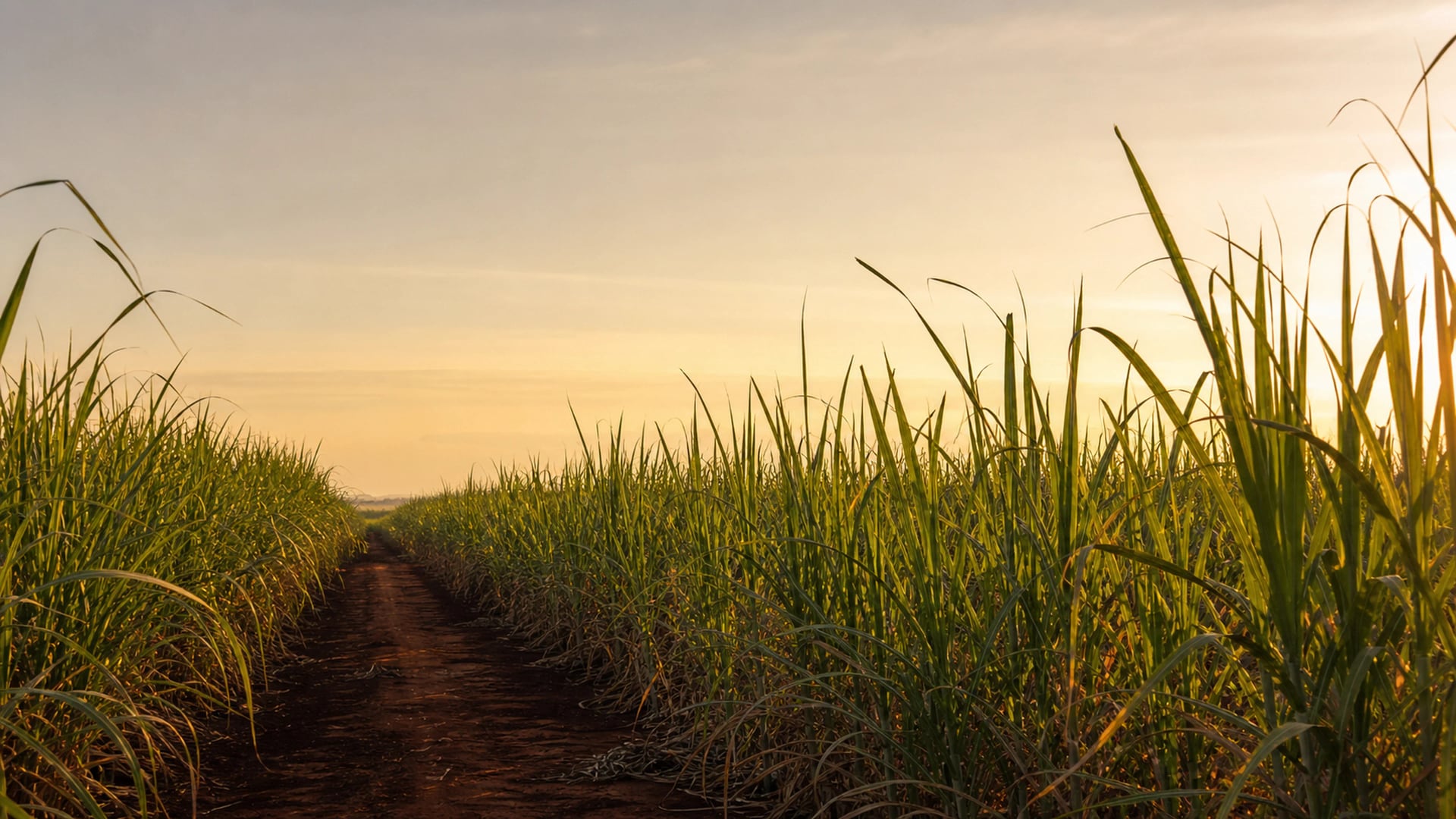
A wide view of a Bundaberg sugarcane field in coastal Queensland at late afternoon, long rows of cane heading towards the horizon, the green tops catching warm low light.

Sugar Reduction · Southport, Queensland

Sugar reduction flavours,
for the way Australians buy now.

Send us your sugar-reduction brief. The VKA® Australia team at Southport develops the flavour at the lower sugar level. No contract to start.

Read in one Australian business day, by a real flavourist at the Southport bench. No contract to start.

What the label is fighting

Lower sugar on the label,
without a thinner drink.

Pulling sugar out of a recipe pulls more than sweetness out with it. Body and mouthfeel go too, and the acid you used to balance against the sugar suddenly reads sharp. The product that scored well at full sugar now scores thin, and the reformulation that was meant to lift the Health Star Rating ends up sitting on the shelf next to the original.

VKA Australia formulates the flavour side of that reformulation at the Southport bench. We rebuild the sweetness profile, hold the body where the sugar used to carry it, and balance the acid against the new matrix so the lower-sugar version tastes like a finished product.

Health Star Rating

Calculated from the finished product's nutrition figures. VKA's job is the taste at the lower sugar level.

Since 1998

VKA Australia has developed flavours for AU and NZ makers. Made in Southport, Queensland.

How we work the brief

Four things we work on
when the sugar comes out.

Pulling sugar out is the easy part. Holding the drink together once it is out is the work.

01

Sweetness that lands at the front of the sip

We formulate the flavour to bring the sweet signal forward at first taste, so a lower-sugar drink does not read flat at the front. The brief tells us where in the sip the sweetness needs to land, and we build to that.
02

Cleaning up the high-intensity sweetener

High-intensity sweeteners often carry a metallic edge, a bitter back-end or a finish that hangs around. We balance the flavour to cover those off-notes so the sweetness reads clean.

03

Holding the body the sugar used to carry

Sugar is half the body of a soft drink. When it goes, the body goes with it. We build the flavour to hold the weight in the middle of the sip and to let go cleanly at the back, so the drink finishes the way the original did.

04

Trialled in the real application, not on a strip

Every sugar-reduction flavour goes through the application kitchen beside the bench before it ships. A soft drink in soft drink. A yoghurt in yoghurt. A bakery system in a baked crumb. If it does not taste right in the finished product, it goes back to the bench.

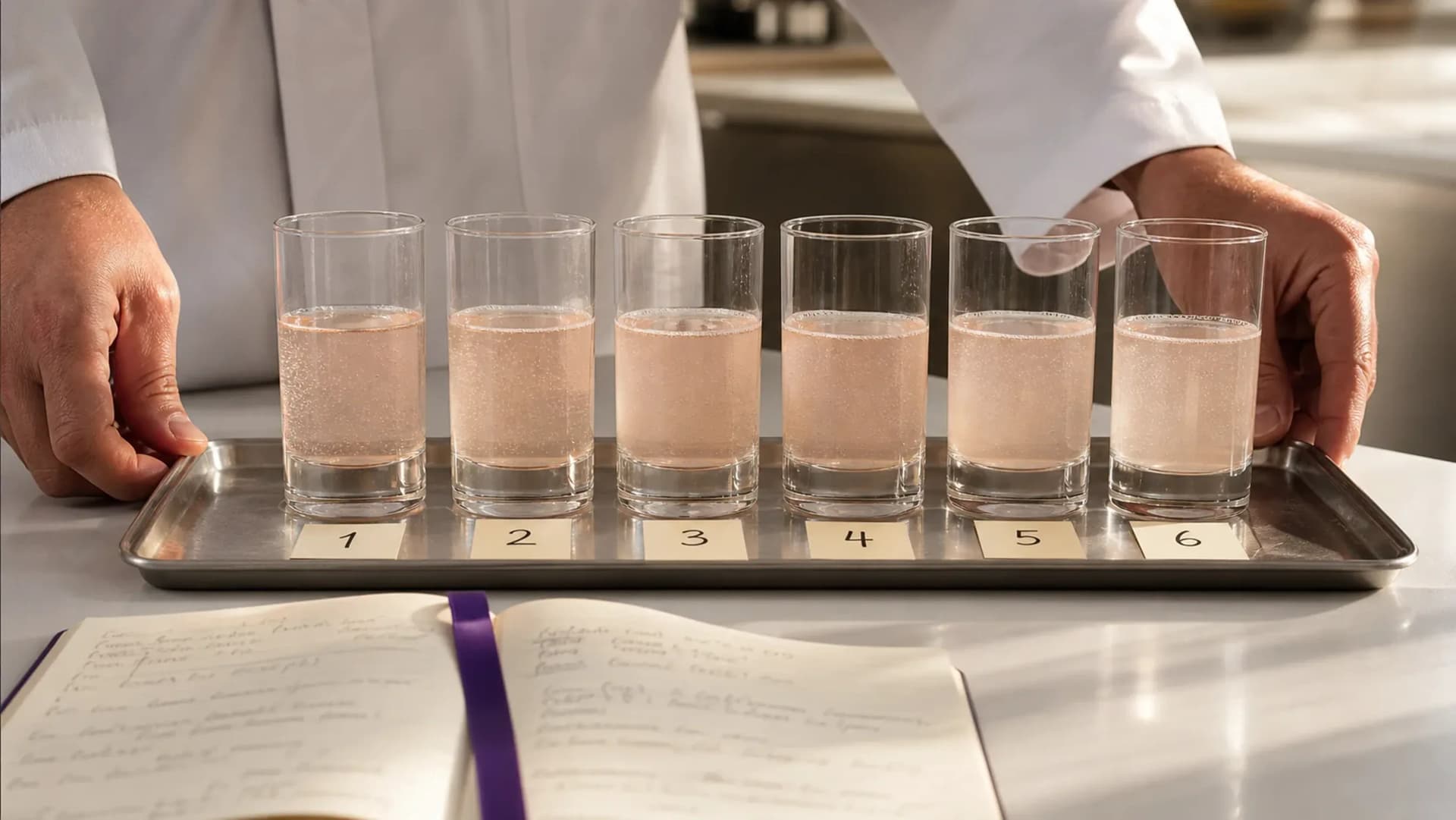
Six pink grapefruit and finger lime sodas set out for a beverage tasting panel.

Categories we work on

The categories we work the brief in.

Sugar reduction reads differently in a carbonated soft drink, a yoghurt, a chocolate or a sauce. Each brief gets the time on the application bench it needs.

Carbonated and still beverages
Dairy and dairy alternatives
Confectionery and chocolate
Bakery and cereals
Sauces, dressings and condiments
Sports and functional nutrition

Sugar claims on your finished product

Standard 1.2.7 does not apply to food intended for further processing, packaging or labelling before retail sale, under section 1.2.7-5(a). The claim conditions therefore apply to your finished product, as prepared or reconstituted, rather than to the flavouring sold for further processing. The same sugar-claim rules apply in New Zealand.

Standard 1.2.7, sections 1.2.7-5(a) and 1.2.7-7

For claims, sugars means monosaccharides (other than D-allulose) and disaccharides.

Standard 1.1.2, section 1.1.2-2(3)

ClaimConditions for the finished product
Low sugarNo more than 2.5 g/100 mL for liquid food or 5 g/100 g for solid food.
Reduced sugarAt least 25% less sugars than in the same amount of reference food. The claim must identify the reference food and state the difference in sugars, under section 1.2.7-16.
No added sugar(s)The food must not itself be an added sugar or contain an added sugar as an added ingredient. This includes honey, malt, malt extracts and concentrated fruit juice, except concentrated fruit juice in a prescribed beverage. Sugars must not exceed 10 g/100 g for solid food or 7.5 g/100 mL for liquid food. The concentration of hexose monosaccharides and disaccharides must not have been increased by hydrolysis, with an exception where those sugars do not exceed 1.5%.
UnsweetenedThe food must meet the no-added-sugar conditions and contain no intense sweeteners or listed polyols, including sorbitol, mannitol, glycerol, xylitol, isomalt, maltitol, maltitol syrup, erythritol and lactitol.

Schedule 4, section S4-3; Standard 1.2.7, section 1.2.7-16

Recent variations have transition periods to 13 December 2027 (P1062) and 29 October 2028 (P1063). During the relevant transition period, a product may comply with the Code before or after the variation. The conditions above are therefore not the only rule in force until those dates.

Standard 1.2.7 transition provisions; Schedule 4 transition provisions

Nutrition content and health claims on the pack are the brand's to substantiate.

Send us your brief

Send us your sugar-reduction brief.
We will work the flavour from the Southport bench.

Tell us the product, the sugar level you need to land at, and the front-of-pack claim you are working towards. A real flavourist on the VKA Australia team at Southport will read it inside one Australian business day, scope a fit and reply. VKA Australia, since 1998. Made in Southport, Queensland.

Read in one Australian business day, by a real flavourist at the Southport bench. No contract to start.