Two questions open nearly every flavour-buying conversation in Australia: what is the minimum order quantity, and how long until I have it. Neither has a single honest number, because both are structural outcomes of how flavours are made, certified and shipped. A developer who understands the structure can negotiate a quote intelligently, and better, can design the project so the minimums and the timeline land where the business needs them. This guide explains what actually sits behind the two numbers, and what the Australian market adds to the equation.
Why Minimum Order Quantities Exist
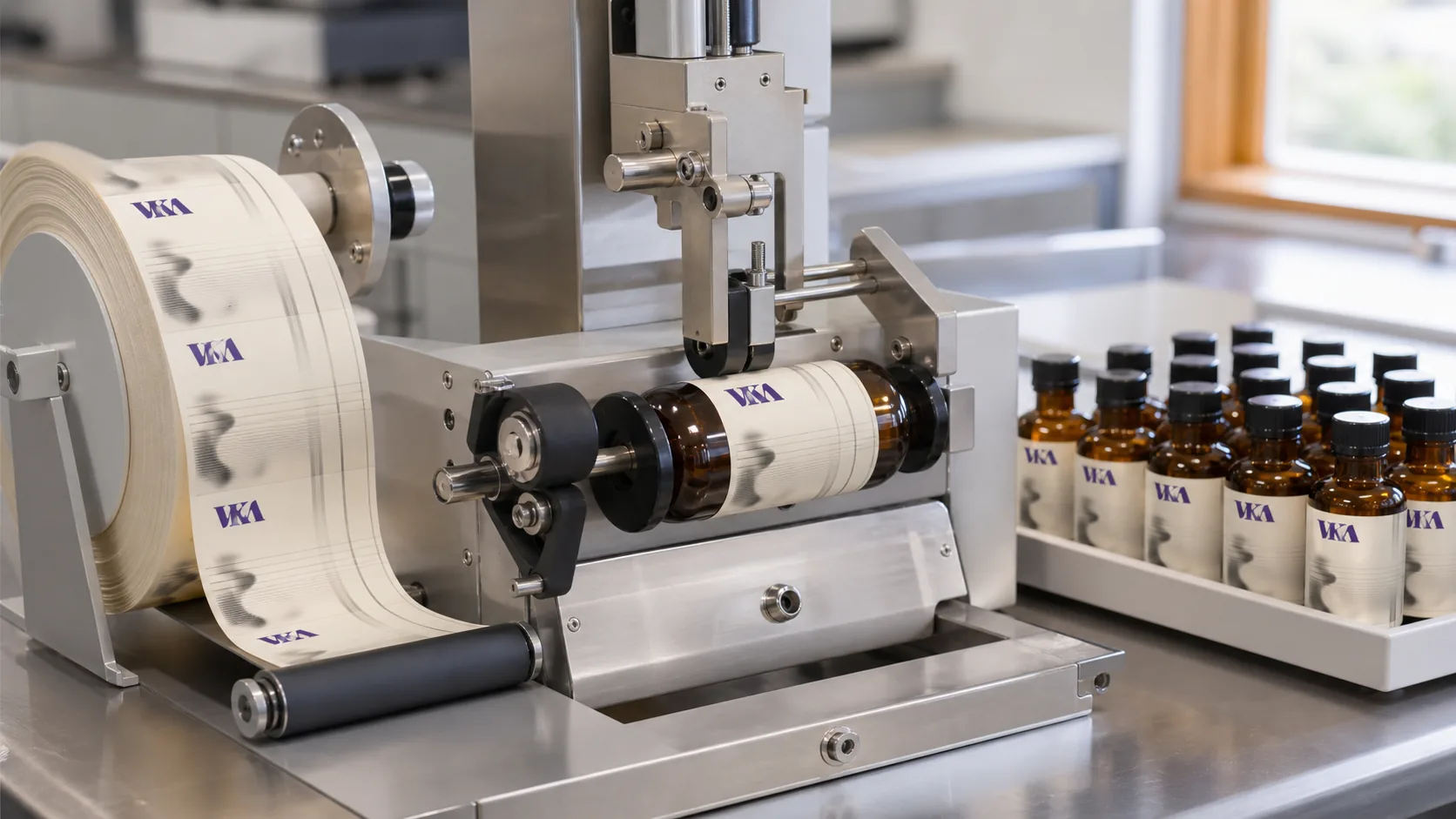
A flavour is compounded as a batch, and most of the work in a batch is fixed regardless of its size. Weighing out the raw materials, sometimes dozens of them, releasing the batch through quality control with a gas chromatography fingerprint against the reference standard and an organoleptic check, cleaning the equipment before the next product: that effort is roughly the same for 25 kilograms as for 500. Below a certain batch size, a flavour costs more to make and release than it can responsibly sell for, and the minimum order quantity is simply the point where the batch arithmetic starts to work. Understood that way, an MOQ is not gatekeeping, and it moves when the structure behind it moves.
The Format Ladder: Liquid, Emulsion, Powder
Format is the biggest single lever. Liquid flavours sit at the bottom of the ladder: they are blended and filled, so small batches are practical. Emulsions sit in the middle, because a homogenisation run adds setup and cleaning of its own. Spray-dried powders sit at the top: a drying run carries its own ramp-up, steady state and clean-down, plus the carrier volumes the process needs, so powder minimums are inherently higher than liquid minimums for the same flavour. If a quoted MOQ hurts, the first question worth asking is whether the project truly needs the quoted format at this stage. Running a pilot on a liquid version and reserving the spray-dried format for scale can cut the entry volume dramatically without changing the flavour profile you are validating.
What Actually Drives Lead Time
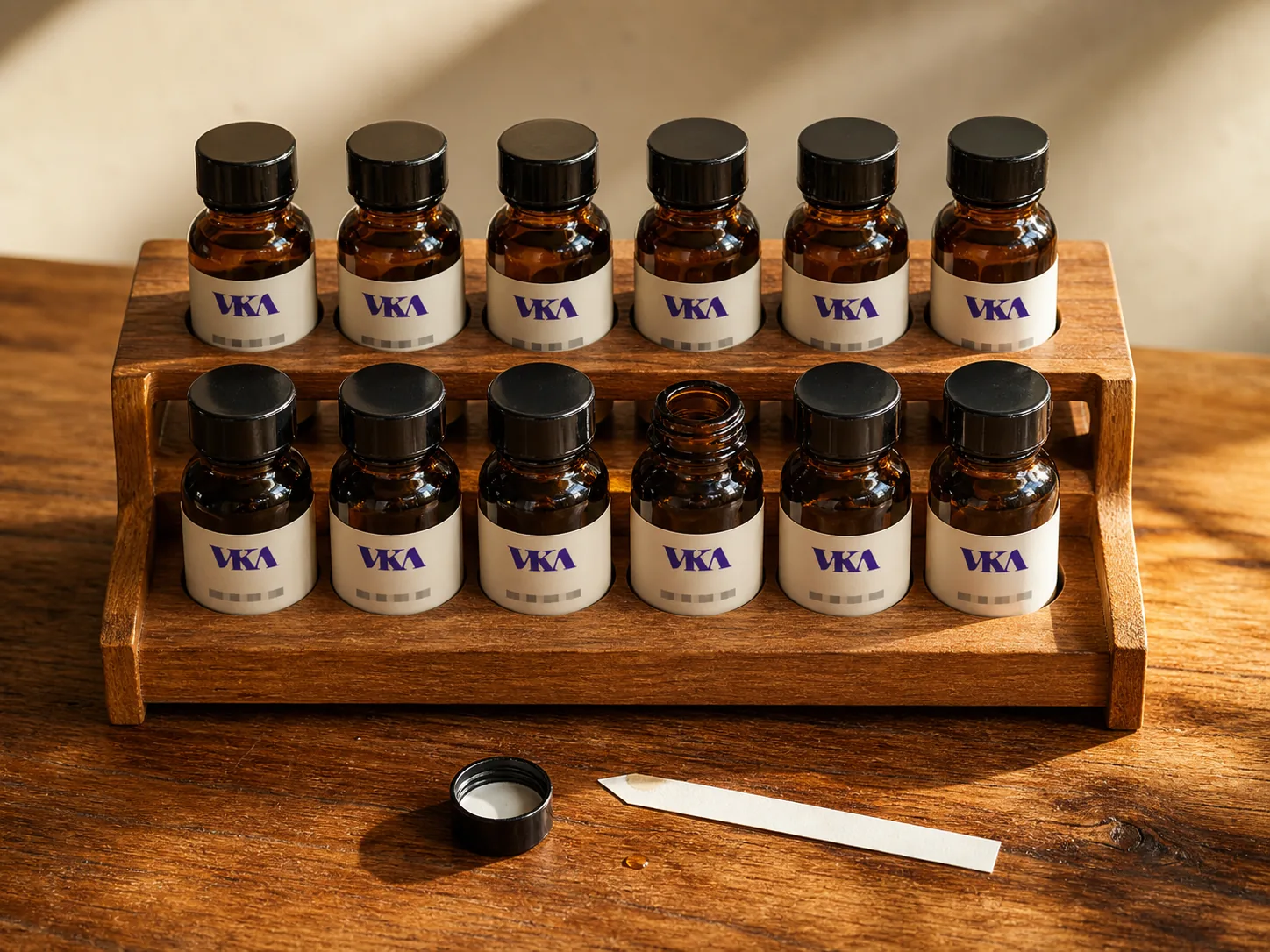
Lead time has a different anatomy, and production is usually the shortest part of it. The longest part is the iteration loop: sample, evaluation in your base, feedback, revision. Each round adds days or weeks depending on how specific the feedback is and how far apart the parties sit, which is why a precise brief shortens a project more than any expediting fee. We have written separately about how custom flavour development runs from brief to production; the same schedule logic applies to every project we run. Beyond iteration, two more clocks run independently of the factory: sourcing, where a rare botanical or a vintage-dependent citrus adds calendar time no scheduler can remove, and certification, where halal endorsement of a newly created product or an organic chain-of-custody step runs on the certifier's timetable rather than the supplier's.
The Australian Distance Factor
Australia then adds distance. A flavour supplied from offshore carries sea freight measured in weeks or air freight measured in dollars, customs and quarantine steps, and revision loops that cross time zones, where a question asked on Tuesday is answered on Thursday and the round trip quietly consumes the schedule. Local manufacture changes the shape of the project rather than just the freight line: bench revisions turn around in days, pilot quantities do not need a container to justify the trip, and a reorder is a truck rather than a vessel. For product crossing the Tasman, freight is short but export documentation still belongs in the plan from the start, not discovered at the booking stage.
Designing a Project Around the Minimums
The minimums and timelines you are quoted are also partly in your control. Where a range shares a base flavour, order against the range rather than the individual SKU and let the batch serve all of it. Schedule certification work in parallel with development rather than after approval, so the certifier's clock runs while the iteration loop does. Ask explicitly for pilot versus production minimums, because they are usually different numbers and suppliers do not always volunteer the smaller one. And put the claim targets, natural status, allergen constraints, halal, in the brief on day one: claims checked at the end are the single most common cause of a late-stage reformulation, and a reformulation resets every clock in this article.
Five Questions That Reveal a Supplier
Five questions reveal more about a flavour supplier than any brochure. How fast is the first sample? How fast is a revision? What are the pilot and production minimums, separately? Is specification and certification documentation standard with samples, or an extra? And where is the flavour actually made, because the answer sets the freight physics of every reorder you will ever place. A supplier with good answers to all five is structurally set up for Australian projects; a supplier with good answers to none of them is quoting you someone else's supply chain.
How VKA Australia Quotes
VKA® Australia manufactures in Southport, Queensland, which is what lets the iteration loop, the pilot quantities and the reorders run on Australian time. Bring the volumes you actually expect, including the honest pilot size, and we will quote minimums and lead times against your real project rather than a rate card. See what we make and how custom development works, or talk to a flavourist directly about a project you are scoping now.