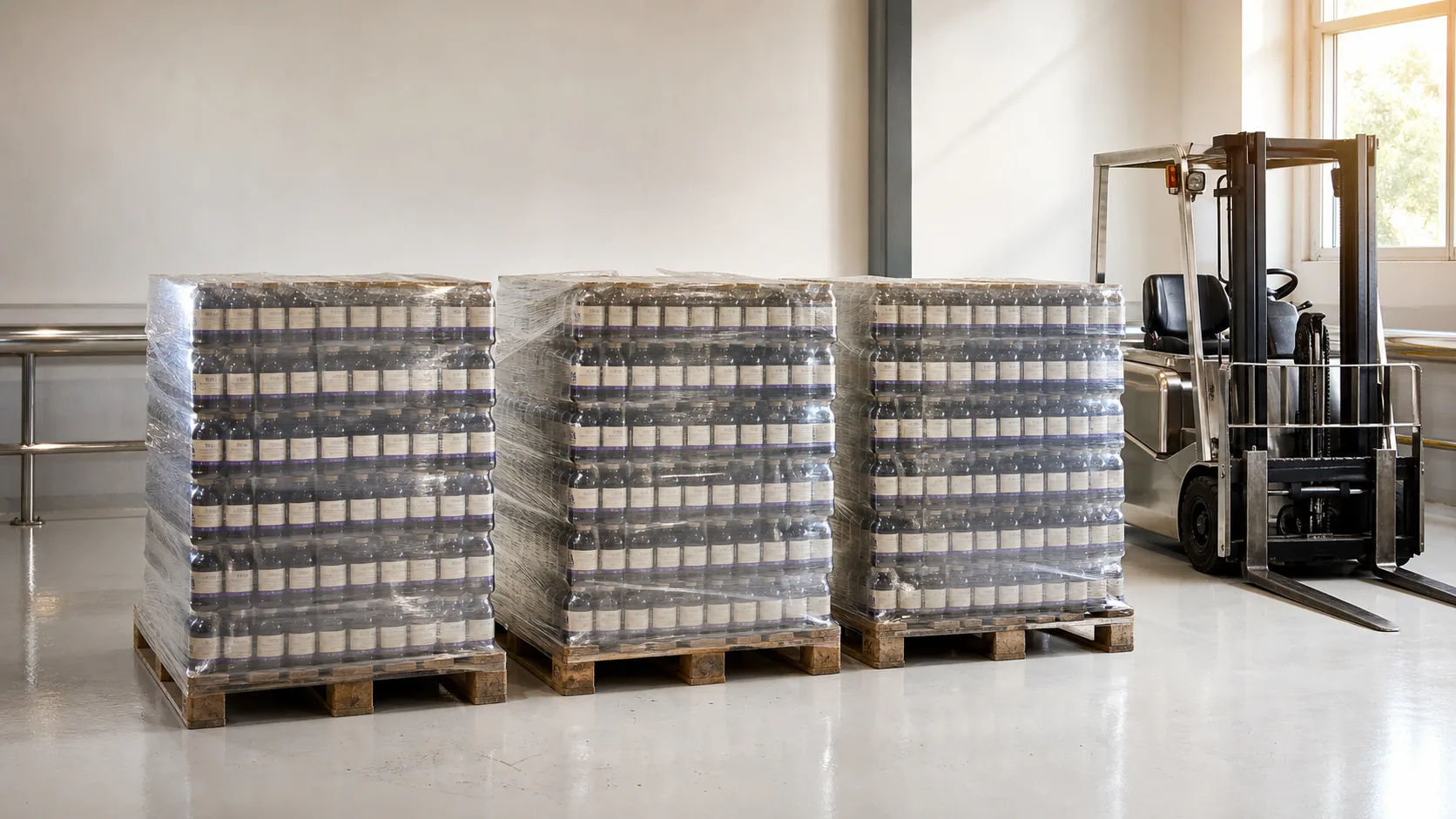
Food importers are responsible for ensuring imported food complies with the Food Standards Code, and all imported food must also comply with Australian biosecurity requirements, as FSANZ explains. For flavour buyers, Schedule 1 of the Imported Food Control Order 2019, compiled 28 February 2026, names no flavour or flavouring item. Some listed items can catch flavour ingredients or concentrates. Other imported food is surveillance food and is also inspected. Classification depends on the composition, including any ingredient concentrations specified in the Schedule, rather than the product's description as a flavouring.
Importer responsibilities and Code compliance
As of October 2026, FSANZ's imported-food guidance, updated 13 August 2025, states: "Food importers are responsible for ensuring that all food they import complies" with the Code. It also says: "All imported foods must also comply with strict biosecurity requirements". The states and territories enforce the Code. These responsibilities sit alongside the imported-food classification rules. For an offshore flavour purchase, identifying the importing party establishes who needs the supplier's composition and compliance information. The product specification and intended use in the recipe provide the starting point for that assessment.
The offence under section 8(1)
The offence provision is specific. Imported Food Control Act 1992, s 8(1), compiled 14 October 2024, makes it an offence to import food that "does not meet applicable standards", with label standards excluded from that subsection. That exclusion belongs to s 8(1); FSANZ separately states the importer's responsibility for Code compliance. A purchasing assessment therefore covers more than the wording of this offence provision. The flavour's composition, its labelling information and the biosecurity requirements all need attention, even when the product is supplied as an ingredient for further manufacture.
Food classification and the October 2026 amendment
The Imported Food Control Regulations 2019, s 10 and s 11, describe how food classifications are made. Section 10 allows the Minister to make orders identifying food required to be inspected, food needing a foreign government certificate, or food classifications. Section 11 allows a food to be classified as risk food only if Food Standards Australia New Zealand advises a high or medium risk to public health. The linked text is compiled 1 July 2023. As of October 2026, a 1 October 2026 amendment is in force and not yet incorporated in that published compilation; use the current section 11 text for an import decision.
Risk food and the Schedule 1 ingredient entries
Under the Order, s 5(1), food described in Schedule 1 "is classified as risk food" and "is required to be inspected, or inspected and analysed". Schedule 1 in the 28 February 2026 compilation names no flavour or flavouring. Items 14, 15, 19, 20, 21 and 24 can nevertheless catch flavour inputs. The selected entries below show why a composition review matters: some name an ingredient, while others also set a concentration. A concentrate containing a listed ingredient needs assessment against the relevant entry's wording and threshold.
| Item | Entry to check against the composition |
|---|---|
| 14 | Peanuts and food containing more than 300 g/kg peanuts. |
| 15 | Pistachios and food containing more than 300 g/kg pistachios. |
| 19 | Paprika that is dried. |
| 20 | Pepper that is dried. |
| 21 | Prohibited plants and fungi. |
| 24 | Caffeine at 5% or greater in solid food, or 1% or greater in liquid food. |
Other imported food is surveillance food
The other classification still involves inspection. The Order, s 5(6), classifies food other than risk food as "surveillance food", which is also inspected. The absence of a flavouring item therefore does not establish freedom from inspection. For a flavour blend, the specification needs to identify ingredients and concentrations well enough to assess the Schedule 1 entries. An incomplete description leaves the classification unresolved. The distinction between risk food and surveillance food determines which classification applies; both remain within the imported-food inspection framework.
Documents and Australian business details
Supplier documents support different parts of the purchase. A flavour specification and ingredient information describe the composition for the Code and classification assessment. An allergen declaration supports the finished-food labelling review, and a certificate of analysis provides results for the supplied product. These are practical documents to obtain before the first order. Standard 3.2.2, cl 5(2), separately requires a food business to be able to produce on request the name and Australian business address of the vendor, manufacturer or importer. Our supplier documentation guide explains that business-information requirement in its wider purchasing context.
Comparing Australian and offshore supply
Comparing Australian and offshore supply involves both the formulation and the supply arrangement. Equivalent composition information makes the ingredient assessment possible for either option. The identity of the vendor, manufacturer and importing party explains the roles in the particular purchase. VKA Australia compounds flavours in Southport from raw materials sourced in Australia and overseas. For a proposed formulation, the Southport team can discuss the flavour brief and its documentation. The sourcing description and the composition specification answer different questions: where the supply comes from, and what the finished flavour contains.
Claims on the finished food
A claim on the finished pack adds another assessment. Imported-food classification describes the food entering Australia; it does not establish whether the finished recipe meets a proposed gluten claim. Our guide to gluten-free claims and flavourings explains those conditions and the cereal declaration rows. The Australian flavour regulations reference and flavour labelling guide cover the wider Code context. Include the intended use, proposed pack wording and available supplier documents when you send a flavour brief, so the formulation discussion starts with the product and claim you intend to sell.
Frequently asked questions
Who is responsible for imported food complying with the Code?
FSANZ states that food importers are responsible for ensuring imported food complies with the Food Standards Code. All imported food must also comply with Australian biosecurity requirements.
Does the risk food list name flavourings?
Schedule 1 of the Imported Food Control Order 2019, compiled 28 February 2026, names no flavour or flavouring. Items 14, 15, 19, 20, 21 and 24 can catch flavour ingredients or concentrates, so review the composition against the listed entries.
What happens if the imported flavour is not risk food?
Under the Order, s 5(6), other food is surveillance food and is also inspected. Assess the flavour's composition against Schedule 1 before recording its classification.
Which Australian business details should be available?
Standard 3.2.2, cl 5(2) requires a food business to be able to produce on request the name and Australian business address of the vendor, manufacturer or importer.
Sources
- FSANZ, Imported foods: updated 13 August 2025
- Imported Food Control Act 1992, s 8(1): compilation 14 October 2024 (C2024C00526)
- Imported Food Control Regulations 2019, ss 10 and 11: compilation 1 July 2023 (F2023C00578), October 2026 amendment not yet compiled
- Imported Food Control Order 2019, s 5 and Schedule 1: compilation 28 February 2026 (F2026C00224)
- Standard 3.2.2, cl 5(2): compilation 13 August 2025 (F2025C00834)