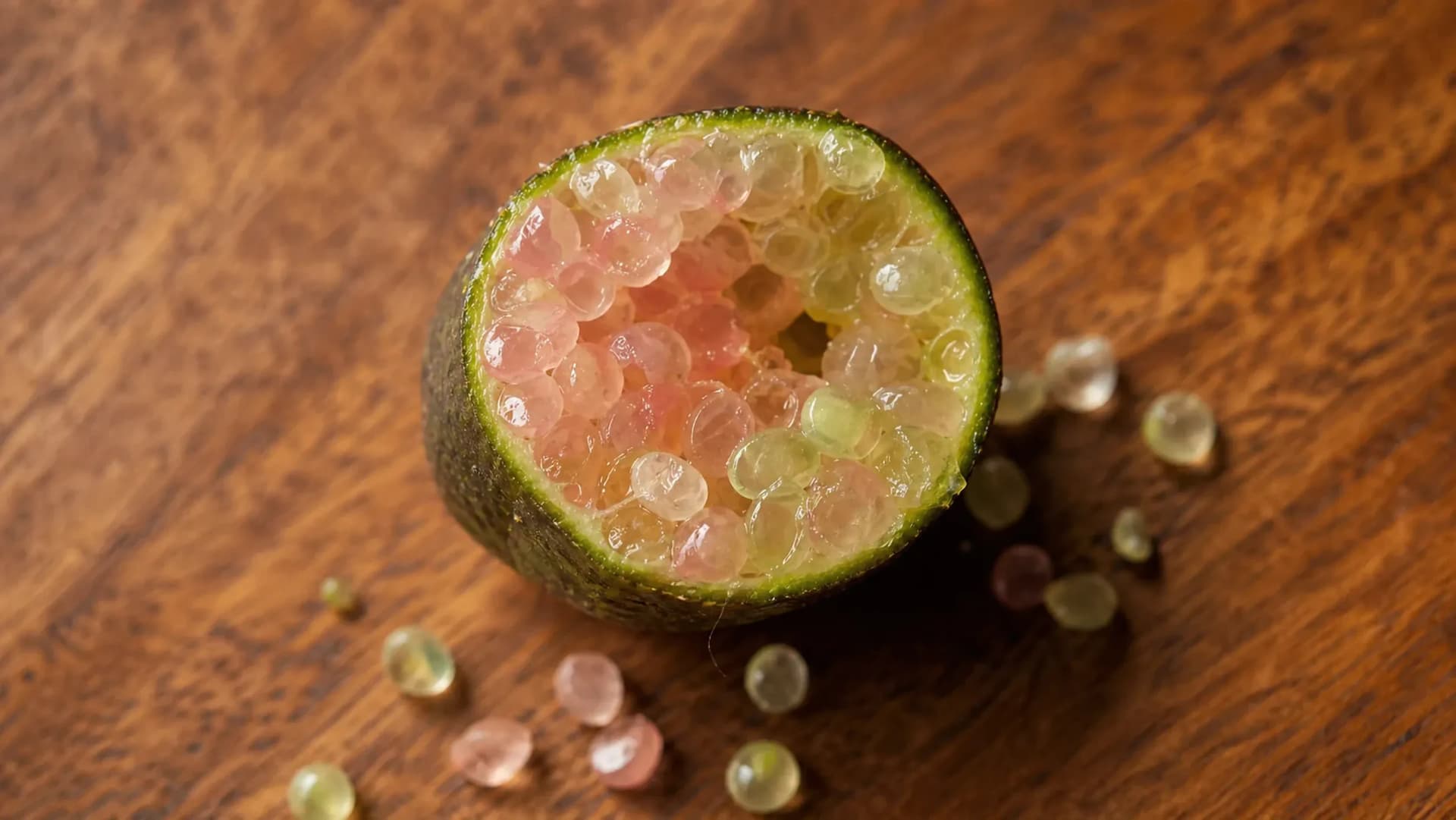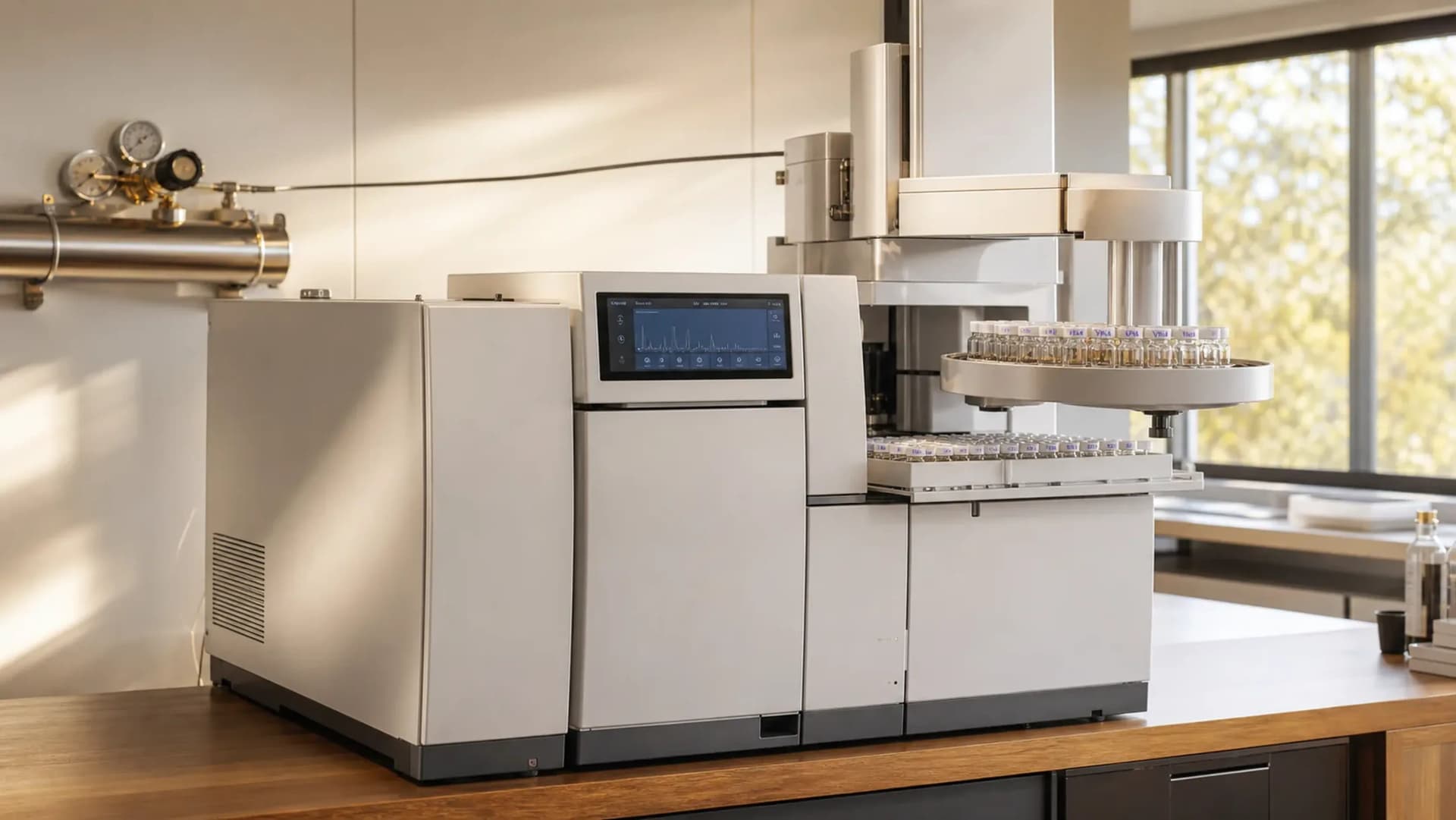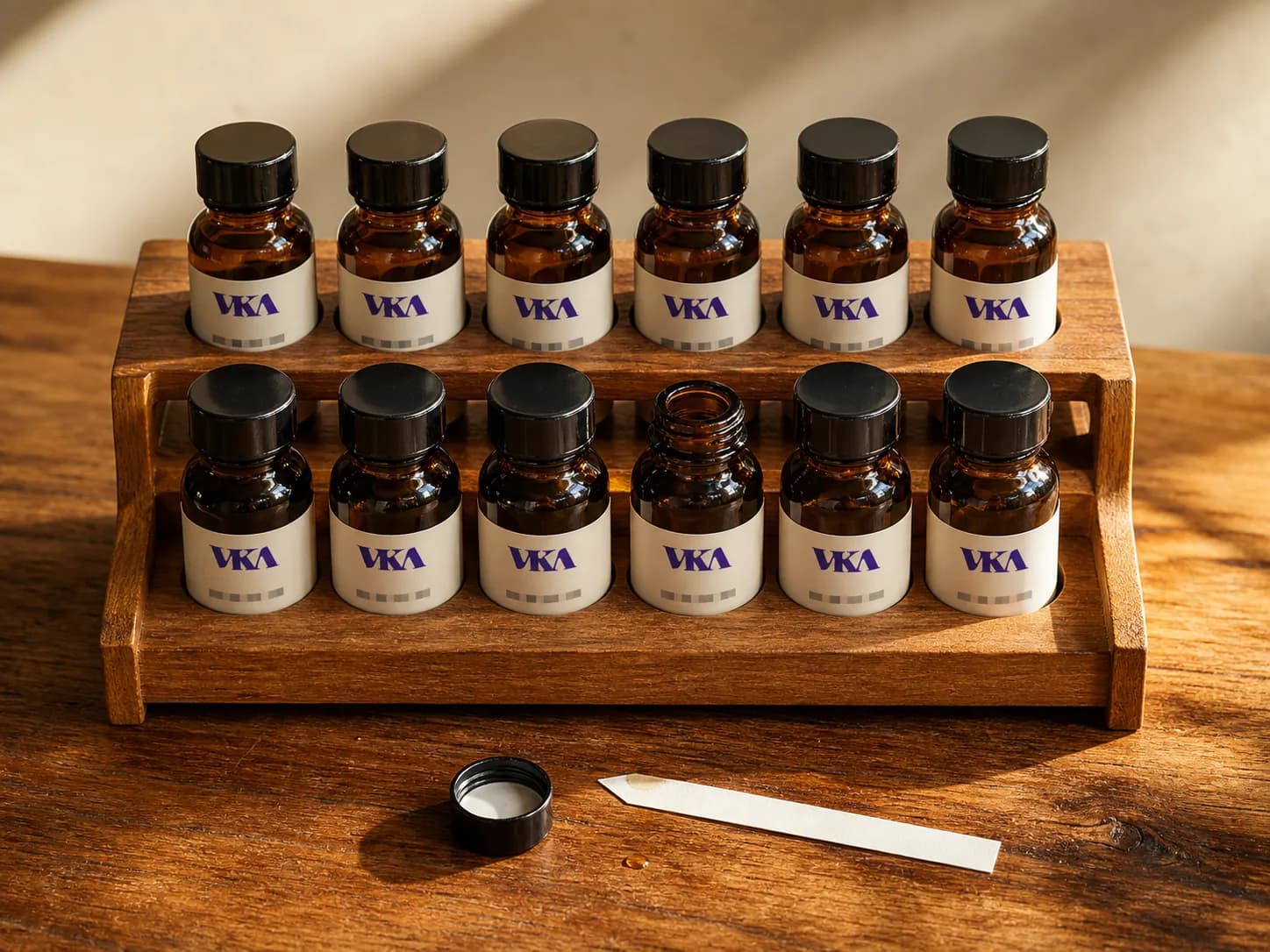
A flavour house is a company that creates flavourings for food and drink manufacturers to use in their own products. At VKA Australia, flavourists and applications technologists share one Southport bench, trial your flavour in your product as it is developed, and we make it on the same site with a specification sheet, allergen declaration and Code-aligned documentation.
What a Flavour House Does
Your product may need a flavour for a new recipe or a reformulation. The IOFI Code of Practice, Chapter 4 gives three practical reasons makers add flavourings: to make up for flavour lost in processing and storage, to rebalance taste as sugar, salt and fat come down, and to even out seasonal and regional variation in crops. We work with you on a new product, a reformulation, a single top-note refinement or a full beverage system across Australia and New Zealand.
The People: Flavourists and the Rest of the Team
A flavourist creates flavours. The Society of Flavor Chemists describes flavourists as developing flavours from approved natural and synthetic flavour chemicals and extracts, using creative skill and analytical tools including GC/MS. When you send us a brief, a flavourist on our Southport team scopes the fit and stays with it through development.
Training requirements depend on the programme. In the US Society of Flavor Chemists, Article II of its by-laws, Certified membership requires at least seven years of supervised training under Certified members, plus membership committee review. Apprentice membership requires at least five years.
The British Society of Flavourists and the University of Reading run a three-week flavourist training course each year for science graduates already working in the flavour or food industries, limited to 12 participants. When you brief a flavour house, ask who the flavourist on your project is and how they trained.
Your project needs application and technical support. Our capabilities include VKA's trained sensory panel, which uses smelling strips, descriptive analysis and tastings to evaluate each flavour against its profile. You can read more about our team before sending your brief.
Flavour House, Distributor or Fragrance House?
How we use the term: a flavour house creates and compounds its own flavours and takes a flavour from brief to production batch. An ingredient distributor, as we use the word, resells ingredients made by others. Our flavours are compounded in Southport from raw materials sourced in Australia and overseas. The development bench, application work and manufacturing plant sit at one site, as our flavour manufacturing page explains.
How a Flavour Is Developed: Brief to Production
Our four-stage approach, set out on our about page, runs as follows. Brief: you send the application, target profile, format, regulatory context and timeline, with expected volumes, proposed label position, shelf and pack format, and any constraints you already know. For a beverage brief, tell us the format, the drinker you have in mind and what the brief has to do. A flavourist reads your brief and replies inside one Australian business day. Our custom flavour development page describes the same work in more detail.
Formulate: our flavourists build a profile to match your brief, using flavour creation and VKA's sensory science. Test and refine: we run application trials in Southport, supported by VKA's sensory panels and stability testing. We trial flavours against the heat, pH, packaging and shelf life your finished product will face, then refine until the profile holds up through the manufacturing run and stated shelf life.
Make and ship: we provide production-ready specifications, Code-aligned documentation and ongoing QA support from Southport. Sample turnaround, minimum order quantities and production lead times are quoted against your brief. Our guide to flavour MOQs and lead times sets out the purchasing questions to bring to that discussion.
What the Food Standards Code Says About Flavourings
As of October 2026, the Food Standards Code defines a flavouring substance as a substance used as a food additive to perform the technological purpose of a flavouring. The definition is in Standard 1.1.2, s 1.1.2-2(3). That subsection also defines a permitted flavouring substance through three routes.
The first route in s 1.1.2-2(3) is inclusion on at least one of four named reference lists: FEMA GRAS lists from 1960 to 2024, up to edition 31; the Council of Europe list of chemically defined flavouring substances; Annex I of EU Regulation 872/2012; or 21 CFR 172.515. The second covers flavouring substances obtained by physical, microbiological, enzymatic or chemical processes from plant or animal material, raw or after traditional preparation such as drying, roasting or fermentation. The third covers a synthetic substance identical to one obtained through that second route. For each flavouring in your product, you can ask which of the three routes it relies on.
Standard 1.1.1, s 1.1.1-10(6) says a food for sale must not contain a substance used as a food additive unless the Code expressly permits it. Under Standard 1.3.1, s 1.3.1-3(1), Schedule 15 must permit its use for that food, the restrictions must be met, and no more than good manufacturing practice requires may be used where the permitted level is GMP.
Schedule 16, s S16-2 lists permitted flavouring substances other than quinine and caffeine as additives permitted at GMP. They can be used at the level good manufacturing practice needs in food classes whose Schedule 15 entries allow additives permitted at GMP. Schedule 15 sets permissions, restrictions and maximum levels by food class. Quinine and caffeine have their own narrower permissions, for example quinine in tonic and bitter drinks and caffeine in cola type drinks. Schedule 15 also lists permitted flavouring substances directly for vinegars, foods for infants and beer. For your product, check whether its Schedule 15 food class permits flavouring substances, at GMP or directly, and under what restriction; if you make a tonic, bitter drink or cola, ask how the quinine or caffeine level is set.
The Australia New Zealand Food Standards Code is a joint code. Its provisions that apply in New Zealand are incorporated in, or adopted under, New Zealand's Food Act 2014. The standards on additives, flavourings and ingredient labelling cited here carry that note, including Schedule 15, Note 2. For a natural flavours brief, our guides to natural flavours under FSANZ and natural, nature-identical and artificial flavours cover the terminology. Our New Zealand supply page explains how we supply you from Southport.
Documents and Labelling Support You Should Expect
As of October 2026, a flavouring substance is listed in the statement of ingredients as "flavouring" or "flavour", or by a more specific name or description, under Standard 1.2.4, s 1.2.4-7(4). Ask for the documents your regulatory team needs to sign off your label. Our flavour labelling guide covers the ingredient statement and proposed natural claims in more detail.
Flavouring ingredients generally need not be listed, with exceptions. Glutamates such as monosodium glutamate and the ribonucleotides disodium guanylate and disodium inosinate must be declared by name when added as or in a flavouring. Added caffeine must always be listed as caffeine. These exceptions are in Standard 1.2.4, s 1.2.4-7(5) and (6). Allergens are a separate rule: under Standard 1.2.3, s 1.2.3-4(5), non-exempt allergens must be declared even when introduced through a flavouring. Our clean label guide covers how that declaration works.
Every formulation we supply ships with a specification sheet, allergen declaration and documentation aligned to the Australia New Zealand Food Standards Code. We provide technical specifications, ingredient declarations, labelling guidance, storage and handling notes, Certificates of Analysis and Safety Data Sheets. If you are considering offshore supply, our importing flavourings guide covers the import responsibilities to assess alongside the flavour brief.
IOFI, the International Organization of the Flavor Industry, was founded in 1969 and represents the industry that creates, produces and sells flavourings. Its Code of Practice, cl 2.5.1, says a Global Reference List listing supports a safety conclusion but does not by itself authorise use in any market. Each market's rules must be checked separately; in Australia and New Zealand, that check is against the Food Standards Code, starting with the Standard 1.1.2 definition above. IOFI's Code of Practice also includes guidelines for the manufacture, handling and use of materials for flavour applications.
Choosing a Flavour House and Briefing Us
Ask how the flavour will be assessed against the Food Standards Code for your market. Establish who creates and makes it, and where that work happens. Ask how revisions are handled after an application trial and what documents come with the sample and production supply. Find out who joins the technical call when your regulatory or QA team has a question.
As our story sets out, we have operated in Australia since 1998 and develop and make custom flavours in Southport, Queensland. Our flavour FAQs answer common questions. When you are ready, send us your brief.
Frequently asked questions
What is a flavour house?
A flavour house is a company that creates flavourings for food and drink manufacturers to use in their own products. As we use the term, it creates and compounds its own flavours and takes each one from brief to production batch.
What does a flavourist do?
A flavourist creates flavours. The Society of Flavor Chemists describes flavourists as developing flavours from approved natural and synthetic flavour chemicals and extracts, using analytical tools including GC/MS. Its Certified members need at least seven years of supervised training.
Is a flavour house the same as a flavour manufacturer?
How we use the terms: "flavour house" puts the weight on creating and developing a flavour, and "flavour manufacturer" on making it, so a business can be both. At VKA Australia, the flavour development bench, the application work and the manufacturing plant sit at one site in Southport, Queensland.
How are flavourings regulated in Australia and New Zealand?
As of October 2026, the Australia New Zealand Food Standards Code applies in both countries; FSANZ develops the standards and state, territory and New Zealand agencies enforce them. The Code defines a "permitted flavouring substance" in Standard 1.1.2, and Schedule 15, read with Schedule 16, sets which foods it may be used in. Quinine and caffeine have separate, narrower permissions.
What should I send a flavour house to start?
Send the application, your expected volumes, the label position (natural, nature-identical), the shelf and pack format, and any constraints you're already working to. A flavourist on our Southport team reads every brief and replies inside one Australian business day.
Sources
- IOFI Code of Practice: Revision April 2020, Chapter 4 and cl 2.5.1
- Society of Flavor Chemists: what flavourists do
- Society of Flavor Chemists by-laws, Article II: membership training requirements
- University of Reading and British Society of Flavourists: flavourist training course
- IOFI: who we are
- IFRA: about the International Fragrance Association
- Standard 1.1.2, s 1.1.2-2(3): compilation 9 June 2026 (F2026C00526)
- Standard 1.1.1, s 1.1.1-10(6): compilation 9 June 2026 (F2026C00543)
- Standard 1.3.1, s 1.3.1-3(1): compilation 13 September 2024 (F2024C00917)
- Schedule 16, s S16-2: compilation 16 September 2025 (F2025C00968)
- Schedule 15, ss S15-2 and S15-5, Note 2: compilation 30 April 2026 (F2026C00407)
- Standard 1.2.4, ss 1.2.4-7(4), (5) and (6): compilation 2 September 2025 (F2025C00914)
- Standard 1.2.3, s 1.2.3-4(5): compilation 29 October 2024 (F2024C01143)